Showing posts with label democracy. Show all posts

Wednesday, May 21, 2025

Anti-Terrorism Day


What a coincidence, right? When our country is doing everything in order to fight terrorism, we are setting an example of what 21st May Anti-Terrorism Day is commemorated for. This day in history was chosen in remembrance of our former Prime Minister Shri Rajiv Gandhi. He was assassinated with 14 other people on a plane by a suicide bomber who allegedly belonged to Srilanka based Terror organization in Sriperumbudur, near Chennai, on 21st May 1991. This day thereafter serves the purpose to raise awareness about the evils of terrorism and violence and promote peace and unity.


History is the witness to the catastrophic and morbid loss of lives of innocent people and, not to be forgotten, lives of our unsung brave soldiers. Terrorism isn’t a new chapter in the lives of people; it thrived through time. Nevertheless of advanced tech, advanced communication, or the internet, it thrived nevertheless. The history of terrorism in India dates back to 8 June 1980, with the Mandai Massacre in Tripura, which resulted in the killing of around 500 people. More recently, the Pahalgam Attack on 22nd April 2025 claimed 26 lives. Its consequences were visible to all. Terrorism has never done any good for a nation. A country’s strength lies in its ability to resolve conflicts through peace and integrity. Terrorism divides people; it takes away the most precious treasure of the country, which is “its youth”. In most cases the people involved in terrorism are young people, who are brainwashed by a few masterminds sitting at the top of the hierarchical pyramid. These leaders rarely sacrifice themselves; instead, they manipulate the naive to carry out their plans. The masterminds behind these heinous crimes have only one propaganda, and that is to influence the government or an international governmental organisation or to intimidate the public. Their only goal is manipulation, and in order to do so, they need manpower, and hence, they target the youth and convince them into committing crimes in the name of religion or duty.

Terrorism happens due to very minute things but results in devastating aftereffects. To begin with, the very cause of it is religious ideologies where one community thinks it is superior to the other. Social or economic inequalities, such as poverty , unemployment or lack of education, can push people to take extreme steps; Past psychological trauma in a person’s life, where a person thinks of taking revenge, to state an example from the past – the Pulwama attack, the perpetrator Adil Ahmad Dar joined the terrorist group to take revenge on the Indian Army because of an incident that took place in his life; State-sponsored terrorism also results in terrorism, where the government itself supports the terrorist groups and funds them to accomplish their strategic or geopolitical goals.

Regardless of how big the problem is, it can be solved. The first and foremost step towards cutting the roots of terrorism is by finding the roots and not clinging on to the branches of the tree. Addressing the root causes will help eradicate the problem; spreading awareness by strengthening education will help fight radical ideologies; improving economic opportunities so that nobody has to turn towards malpractices in lack of money and other resources; and strengthening the security and intelligence of the nation to prevent and respond to possible attacks.Concluding with what former President of the US, Mr Barack Obama, and spiritual leader of Tibetan Buddhism Dalai Lama, stated,

“Terrorism is a global problem that requires a global solution, and it is not a fight between religions or cultures. It is a fight between humanity and inhumanity."

For the sake of mankind, this evil has to be eradicated from its roots, or else the holy motherland will turn red.


-Nandini Dirsinala

Friday, January 3, 2025

ज्ञानगंगा, क्रांतीज्योती सावित्रीबाई फुले

भारतातील स्त्रिया आंतरराष्ट्रीय पातळीवर देशाला अभिमान वाटावा अशी कामगिरी पार पाडत आल्या आहेत. रसायनशास्त्राच्या औषधीविषयक, विश्लेषणात्मक व सेंद्रीय अशा तिन्ही शाखांमध्ये मोठे योगदान देणाऱ्या असीमा चॅटर्जी असोत किंवा लढाऊ विमान एकट्याने चालवणाऱ्या अवनी चतुर्वेदी असोत, आता असे एकही क्षेत्र उरलेले नाही जिथे महिलांनी आपल्या कामगिरीची छाप पाडलेली नाही. महिलांना यशस्वी होण्यासाठी आणि पंख पसरून उडण्यासाठी आभाळ खुले करून देणारी महत्त्वाची व्यक्ती म्हणजे माता सावित्रीबाई फुले. क्रांतीज्योती सावित्रीबाई फुले यांनी १ जानेवारी १८४८ रोजी पुण्यातील भिडे वाड्यात स्त्री शिक्षणाची मुहूर्तमेढ रोवली आणि भारतातील स्त्रियांच्या आयुष्यात शिक्षणाची ज्योत पेटवली.

माणूस हा जगातील एकमेव विचार करणारा प्राणी आहे. परंतु माणसाच्या बुद्धीला ज्ञानाची सांगड नसेल तर तो माणूस म्हणून ओळखला जाऊ शकतो का? असा प्रश्न सावित्रीबाई फुले आपल्या "त्यास मानव म्हणावे का?" या कवितेतून विचारतात. त्या म्हणतात:

ज्ञान नाही, विद्या नाही  

ते घेण्याची गोडी नाही  

बुद्धी असूनही चालत नाही  

त्यास मानव म्हणावे का?

या ओळींतून स्पष्ट होते की माणसाच्या सर्वांगीण विकासासाठी जर काही उपयोगी असेल, तर तो विद्या-धर्म आहे. विद्या देणारा आणि विद्या घेणारा यांच्या एकत्रिकरणातूनच एक चांगला माणूस घडतो. विद्या देणारा हा धैर्यशील असतो, तर विद्या घेणारा शक्तिशाली व शहाणा बनतो. हा विचार समाजाला पटवून देणाऱ्या माता सावित्रीबाई फुले यांचा जन्म शिक्षणाच्या अभावाच्या काळात ३ जानेवारी १८३१ रोजी महाराष्ट्रातील सातारा जिल्ह्यातील नायगाव येथे झाला. शिक्षणाच्या प्रकाशाचा अभाव असलेल्या त्या काळात सावित्रीबाईंनी भारतात स्त्री शिक्षणाचा पाया रचला. आपण बऱ्याचदा म्हणतो, "आम्ही सावित्रीच्या लेकी, सावित्रीची मुलं," परंतु खरोखरच आपण सावित्रीबाईंच्या विचारांवर चालतो का? आजच्या युवा पिढीतील प्रयत्नांची आणि संयमाची कमतरता पाहता असे वाटते की संघर्षाच्या भीतीने जर सावित्रीबाईंनी त्यांचे ध्येय अर्धवट सोडले असते, तर आज आपल्या घरात शिक्षणाची गंगा वाहिलीच नसती. त्या काळात मुलींचा जन्म नकोसा वाटत असताना सावित्रीबाईंनी प्रवाहाच्या विरुद्ध जाऊन स्त्रियांना सक्षम आणि स्वावलंबी बनवले. पण आजही काही लोक शिक्षणाप्रती असलेल्या बेजबाबदारपणामुळे आणि समाजातील समस्यांकडे दुर्लक्ष करत असल्यामुळे वाटते की सावित्रीबाईंच्या कष्टांची आणि त्यागाची आपल्याला खरोखर जाणीव आहे का?

तरीही, सावित्रीबाईंच्या विचारांचा वारसा पुढे नेणाऱ्या कमलादेवी चट्टोपाध्याय, मेधा पाटकर, चित्रा नाईक, शाहीन मिस्त्री यांसारख्या अनेक प्रेरणादायी व्यक्तींनी समाजातील दुष्ट रूढी-परंपरांना नाकारले आणि ज्ञानाचा मार्ग दाखवला. त्यांच्या प्रयत्नांमुळे भारतातील अनेकांना स्वतःची क्षमता सिद्ध करण्याची संधी मिळाली. त्यामुळेच द्रौपदी मुर्मू राष्ट्रपतीपदावर पोहोचल्या आणि गीता गोपीनाथ आंतरराष्ट्रीय नाणेनिधीच्या (IMF) पहिल्या उपव्यवस्थापकीय संचालक झाल्या, तसेच मुख्य अर्थशास्त्रज्ञ म्हणूनही कार्यरत राहिल्या. सावित्रीबाईंच्या विचारांनीच आज मी माझे विचार लेखणीद्वारे मुक्तपणे मांडू शकते. त्यामुळे असं वाटतं:

सावित्रीचा घेऊनी वसा, गाठतो आम्ही उंच शिखरे  

दुष्ट परंपरेचा पिंजरा तोडूनी, मुक्त झाली पाखरे


ज्ञानगंगा, क्रांतीज्योती सावित्रीबाई फुले यांच्या जयंतीनिमित्त त्यांच्या कार्याला वंदन आणि शतकोटी प्रणाम!


- श्रुती शिंदे

Saturday, December 28, 2024

Free Rider’s Problem and the Tragedy of Commons


Imagine, you are sitting on a train, getting a ticket worth Rs. 120. Beside you is a man sitting with the same level of comfort without paying a penny… how fair is it? Should we allow such things in the economy? If not, how can we stop it? How can we identify thousands of such passengers in the Mumbai local daily? How will you punish so many of them?  This isn’t the problem just with trains or buses but this is also the same with natural resources. We all hear about the environmental summits carried out at global levels, be it in COP or Paris Agreement or anything else, the once paying high are not the developed nations but the developing ones because they are supposed to grow by paying for the tickets of these developed countries to the environment for decades. They have been using all the resources for free and when it's our turn to use them, suddenly everything has a price tag now.  These free riders in the internal economy not only disregard the laws and discourage the ones paying for them but also increase the burden on the government. Now they need to take measures like tax increases on public goods to fill that gap and cure the losses. Again, it leads to the loss of the one who is paying for it twice. Isn’t it some sort of inequality towards the others?

These negative effects arising due to the shared resources lead to another economic dilemma, that is the ‘Tragedy of Commons’. When an individual acts for his self-interest which ultimately leads to depletion of public resources, it creates problems. Over-fishing is the most popular example used to show the tragedy of commons. In a selective area, the fish population cannot be increased at the same pace at which it is used. But for individual profits, the fishermen choose to continue fishing in the same area till it’s all vanished and the habitat is dead for the next few weeks as there won’t be any fish in the area. This not only causes discomfort to the occupation but also to the environment, the same is seen in terms of deforestation.

If we think about this problem with a selfless view, today if I have the option to travel without getting a ticket, why would I buy one? If I had the choice to earn more, why would I not? Here comes the answer! Farsightedness. I am thinking about it now. About my current benefits but I must also think about my future. If I am aware enough of its ill effects and future consequences, I might think once before traveling without a ticket. If I know that today’s extra piece of bread will keep me hungry tomorrow, I might not eat it now. 

Of course, these are just assumptions, but the individual incentives will eventually lead to the solution to such problems. No government scheme forcing you to pay extra tax is making you come out of this cycle. Thus, all we need today is a rational consumer!


-Aditi Bhavsar

Tuesday, November 19, 2024

मतदानाचा हक्क, तुमची ताकद!


लोकशाहीचा खरा अर्थ म्हणजे लोकांनी लोकांसाठी निवडलेल्या प्रतिनिधींच्या माध्यमातून चालणारे सरकार. आपल्या देशातील प्रत्येक नागरिकाला संविधानाने मतदानाचा हक्क दिला आहे. हा हक्क फक्त एक अधिकार नाही, तर एक जबाबदारी आहे, जी आपल्या देशाच्या भवितव्याला आकार देते. सरकारी निर्णयांवर व्यक्ती प्रभाव टाकू शकतील, अशा सर्वांत महत्त्वाच्या मार्गांपैकी एक म्हणजे मतदान. मतदान म्हणजे कार्यालयासाठी किंवा एखाद्या समस्येच्या प्रस्तावित निराकरणासाठी उमेदवाराची पसंती व्यक्त करण्याचा औपचारिक मार्ग. मतदान प्रामुख्याने राष्ट्रीय किंवा प्रादेशिक निवडणुकीसाठी होते; मात्र स्थानिक व लहान सामुदायिक निवडणुकाही सरकारमधील वैयक्तिक सहभागासाठी तितक्याच महत्त्वाच्या ठरतात. 15 ऑगस्ट 1947 रोजी भारत स्वतंत्र झाला आणि 26 जानेवारी 1950 रोजी भारतीय संविधान लागू झाले. संविधानातील सर्वात महत्त्वाचे तत्त्व म्हणजे सार्वत्रिक मताधिकार. या अधिकारामुळे साधा सामान्य माणूस असो वा श्रीमंत, उच्चशिक्षित असो किंवा अशिक्षित, प्रत्येकाला मत देण्याचा समान अधिकार प्राप्त झाला. याच अधिकारामुळे आपल्या देशातील लोकशाहीचे मूळ मजबूत झाले. पंतप्रधानांपासून सरपंचांपर्यंतच्या निवडीचा अधिकार प्रत्येक नागरिकाला मिळाला. यामुळेच न्याय व हक्कांची जाणीव होऊ लागली आणि स्वातंत्र्याची खरी अनुभूती मिळाली.

आज भारताची लोकशाही जगातील सर्वोत्तम लोकशाही मानली जाते, याचे मुख्य कारण म्हणजे तिची प्रभावी निवडणूक प्रक्रिया. दर पाच वर्षांनी निवडणूक होत असल्याने प्रत्येक नागरिकाला आपल्या मतांच्या ताकदीची जाणीव होते. संविधानाने दिलेले समानता, न्याय, बंधुता, स्वातंत्र्य यांसारखे मूलभूत अधिकार अबाधित ठेवण्याचे सामर्थ्य आपण आपल्या मतदानाने सिद्ध करू शकतो. निवडणूक प्रक्रियेतून निवडून येणारा कोणीही असो, सत्ता कोणाचीही असो, संविधानाचे मुख्य तत्त्व कोणीही बदलू शकत नाही. म्हणूनच, आपल्या देशाच्या लोकशाहीवर अभिमान ठेवून, संविधानाने दिलेला मतदानाचा हक्क बजावणे ही आपली जबाबदारी आहे. आपल्या मतांत देशाला प्रगतीकडे नेण्याचे सामर्थ्य आहे. म्हणूनच म्हणतात, "मतदानाचा हक्क, तुमची ताकद!" मतदान हा अधिकार केवळ वैयक्तिक स्वातंत्र्यावर आधारित नसून, तो देशाच्या विकासासाठी महत्त्वाचा आहे. त्यामुळे प्रत्येकाने हा अधिकार जबाबदारीने वापरून देशाच्या प्रगतीसाठी योगदान द्यावे. "मतदानाचा हक्क, तुमची ताकद!" हे केवळ घोषवाक्य नाही, तर आपल्या जबाबदारीची जाणीव करून देणारी सत्यता आहे.

आपल्या एका मताने देशाच्या भवितव्याला आकार देता येतो. लोकशाहीची खरी ताकद तिच्या नागरिकांच्या सक्रिय सहभागात आहे. म्हणून आपण सर्वांनी आपापल्या कर्तव्याची जाणीव ठेवून मतदान करायला हवे. मतदान करणे म्हणजे केवळ आपला हक्क बजावणे नाही, तर देशाच्या प्रगतीसाठी महत्त्वाचा वाटा उचलणे आहे.

"आजचा मतदार, उद्याचा देश घडवणारा!"

जय हिंद! जय भारत!


-जिजाऊ शेळके

Thursday, October 31, 2024

राष्ट्रीय एकता दिवस


एक काठी असेल तर ती सहज मोडता येते; परंतु काठ्यांचा गठ्ठा तितक्‍या सहजतेने मोडता येत नाही. लहानपणापासूनच अशा छोट्या गोष्टींतून आपल्यात एकीचे बळ खोलवर रुजवले जाते. सरदार वल्लभभाई पटेल यांनी याच एकीच्या बळाचा वापर करून भारतातील विविध संस्थानांना एकत्र केले आणि जणू एका शिल्पकाराप्रमाणे भारताला नव्या रूपात घडवले. सरदार वल्लभभाई पटेल (भारताचे लोहपुरुष) यांनी ब्रिटिश राजवटीपासून स्वातंत्र्य मिळाल्यानंतर भारतातील संस्थानांचे एकत्रीकरण करण्यात महत्त्वपूर्ण भूमिका बजावली. आपल्या कुशाग्र बुद्धिमत्तेने त्यांनी विभाजन संपवून भारताला एकसंध राष्ट्र बनवण्यास मदत केली. भारत हा विविधतेने नटलेला देश आहे. भारताचा समृद्ध सांस्कृतिक वारसा त्याच्या विविधतेतून निर्माण झाला आहे. राष्ट्रीय एकात्मतेच्या दिशेने या विविधतेचे परिवर्तन विषमतेत नव्हे, तर एकतेत करण्याचा ध्यास वल्लभभाईंनी उरी बाळगला, आणि समर्थपणे या विविधतेतून राष्ट्रात एकता निर्माण केली. आपल्यामधील भाषिक, पारंपरिक, सामाजिक, आणि सांस्कृतिक विविधतेत बंधुत्वाची भावना टिकवण्यासाठी आणि वृद्धिंगत करण्यासाठी राष्ट्रीय एकात्मता दिन साजरा केला जातो.


आपल्या भारतीय संविधानाची उद्देशिका देखील याच मूल्यांची पायाभरणी करते आणि लोकांमध्ये निर्धार, समानता, आणि विश्वास या तत्त्वांचा पाया घालते. भारताचे नागरिक म्हणून या मूल्यांचा आदर करणे आपले कर्तव्य आहे. आपल्या मनात स्वतःच्या संस्कृतीचा गर्व असलाच पाहिजे; परंतु त्याचबरोबर दुसऱ्याच्या संस्कृतीचा आदर आणि सन्मान बाळगण्याची भावना हवी. मात्र, राष्ट्रीय एकता दिवस साजरा करत असताना आपल्याला प्रश्न विचारण्याची गरज आहे – आजच्या काळात एकता या संकल्पनेचा अर्थ काहीसा बदलला आहे का? एकता साजरी करत असताना, ती खऱ्या अर्थाने अंमलात येत आहे का, की केवळ प्रतीके उरली आहेत? विविधतेतून एकता साधण्याचा उद्देश जोपासण्यासाठी आज आपल्या समाजात समजूतदारपणा, सहिष्णुता, आणि सर्वांचा समान आदर वाढवण्याची गरज आहे का? या प्रश्नांची उत्तरे शोधणे हेच खरे तर राष्ट्रीय एकात्मतेची खरी परीक्षा आहे.


-आर्यन पाध्ये

Wednesday, September 18, 2024

Green Hydrogen: Game-Changer For the Future of Fuels?


“Green hydrogen is emerging as a promising addition to the world’s energy landscape.” 
-Narendra Modi

According to the Standford University, there’d still be gas and coal left by the time oil runs out in 2052. But if gas production is increased to fill the energy gap left by oil, then those reserves will only give an additional eight years, taking us to 2060. Therefore, as PM Modi says, “the time for action is here and now". The fact is humans currently possess the technology to utilize hydrogen fuel instead of fossil fuels, but the technology is on the primary stage. The technology, which is not on the primary stage is electric automotives. But considering their less efficiency, leaching occurring due to the lithium-ion battery, and their negative environmental production-friendly techniques, they are (no offence) useless. The International Conference on Green Hydrogen was established by various stakeholders in the energy and environmental sectors, government bodies, international organisations, and industry leaders. The significance of this conference was to strengthen the green hydrogen agenda, facilitate global collaboration, and drive progress toward a sustainable energy future.

At the conference, PM Narendra Modi emphasized the growing realization that climate change is not just a matter of the future, but its impact can be felt now. He said that energy transition and sustainability have become central to global policy discourse. The Prime Minister briefed that India was among the first G-20 nations to fulfill its Paris commitments on green energy. He said these commitments were fulfilled nine years ahead of the target of 2030. Throwing light on the advancements in the past 10 years, the Prime Minister said that India’s installed non-fossil fuel capacity increased nearly 300% and solar energy capacity got over a 3,000% boost. PM Modi underlined that we are not resting on these achievements and the nation remains focused on strengthening existing solutions while also looking at new and innovative areas, saying this is where the of green hydrogen comes into the picture.

There were 25 key speakers at the conference, including Dr. Sunita Satyapal, Director of Hydrogen and Fuel Cell Technologies at the U.S. Department of Energy; Prof. G. D. Yadav, a distinguished professor from the Institute of Chemical Technology; Dr. Sachchida Nand, a leader in chemical engineering from IIT Bombay; and international figures like Bernt Nordman, head of Climate Program at WWF Finland; Mr. Gan Kim Yong, Deputy Prime Minister of Singapore; and Jorgo Chatzimarkakis, CEO of Hydrogen Europe. 

The discussions emphasised the use of electrolysers and better use of sea water and municipal waste water for producing green hydrogen. Key areas of focus involved innovation in hydrogen storage solutions and the decarbonisation of hard-to-electrify industries such as steel, refineries, and heavy-duty transportation. The potential for green jobs was discussed, and skill enhancement in green hydrogen technology was a key note of the conference. Discussions on investment in research, development, and infrastructure of green hydrogen were followed. 

International partnership is critical for promoting green hydrogen’s impact on decarbonization. Scaling up production, minimizing costs, and building infrastructure can happen faster through global cooperation. India is willing to become the global hub for the production, utilization, and export of green hydrogen. The National Green Hydrogen Mission is giving an impetus to innovation, infrastructure, industry, and investment. Experts discussed the need for public policy support, urging scientists and innovators to propose changes that would further boost the sector. This includes the creation of regulatory frameworks that support green hydrogen adoption in public transport, shipping, and other sectors. The role of green hydrogen in achieving climate goals was underscored, with discussions on how hydrogen can contribute to reducing global carbon footprints and help nations fulfill their commitments under international climate agreements.

-Soham Sonar

Sunday, August 18, 2024

"नीट" चा निकाल नीटनेटका ?


तारीख जून,२०२४ - भारताचं पुढील ५ वर्षाच्या भविष्याचे चित्र उभं राहील, जेव्हा लोकसभेच्या निवडणूकीचा निकाल लागला. पण त्याच दिवशी लाखो विद्यार्थ्यांचं भविष्य अंधारात हरवलं, जेव्हा त्यांचा एक अनपेक्षित NEET UG परिक्षेचा निकाल लागला. हा. निकाल अनपेक्षितच होता. म्हणजे ज्या परीक्षेला कधीतरी पैकीच्या पैकी मार्क मिळवणारी मुलं असायची, तिथे ह्या वर्षी चक्क एक-दोन नव्हे, तर 67 मुलांना पैकीच्या पैकीच गुण मिळाले. एकाच परिक्षा केंद्रांत 6 विद्यार्थ्यांना पैकीच्या पैकी गुण, काही मुल उशिरा पोहोचली म्हणून त्यांना ग्रेस मार्क्स देणं, बिहार पेपर चोरीची घटना घडणं, सगळंच अगदी अनपेक्षित, आश्चर्यकारक !!

त्यानंतर काही विद्यार्थी सुप्रीम कोर्टात गेले, २५ हुन अधिक लोकांना पकडण्यात आलं, आपल्या राष्ट्रपतींनी त्यांच्या भाषणात ह्या घोटाळ्याचा उल्लेख केला, पण काही फरक पडलेला दिसत नाही.  दोन आठवड्यांपूर्वी प्राध्यापक पदासाठी घेण्या घेण्यात येणारी NET परीक्षा पेपर झाल्या नंतर त्याच्यात सुद्धा अनियमितता आढळून आली म्हणून रद्द करण्यात आली. त्यानंतर घेण्यात येणारी NEET PG परिक्षा सुद्धा रद्द केली, ती पण परिक्षेला २४ तास पण राहिले नसताना. ह्या सगळ्या परीक्षा होतात  National Testing Agency (NTA) या सरकारी संस्थेच्या देखरेखी खाली. हा प्रकार काही पहिल्यांदा घडत नाहीये. मागच्या ७ वर्षात पेपरफुटीची ७० प्रकरणं झाली आहेत, ज्या मध्ये १.७  कोटीहून जास्ती युवकांचं भविष्य असंच अंधारात हरवलं आहे. 

ह्या सगळ्याचा त्रास होतोय तो त्या मेहनती आणि योग्य विद्यार्थ्यांना, जे आपले कित्येक महिने, वर्ष घालवतात, त्यांची स्वप्ने पूर्ण करायला,  पण पदरी येते, ती निराशाच. चूक त्यांची नाहिये, मेहनत घेण्यात ते कुठेही कमी पडले नाहिये, चूक आहे ती ह्या व्यवस्थेची, जी पैसे खाऊन बसली आहे. ह्या सगळ्या व्यवस्थेचा जर सगळ्यात जास्ती कोणाला फायदा होतो, तर ते परिक्षांसाठीचं कोचिंग क्लासेसचे व्यावसायिक,  जे ह्याच मुलांच्या पालकांकडून अमाप पैसे घेतात. हे अक्षरशः एक मार्केट झालं आहे जिथे यशाचं आमिष दाखवून मुलांना आणि त्यांच्या पालकांना आकर्षित केलं जातं, स्वतःच्या 'कंपनी' कडे.  हे पालक आणि मुलं या क्लासेस कडे आकर्षित होतात, ते वाढलेल्या स्पर्धेमुळे. मुलांना शाळेत असल्या पासूनच अमूक कोचिंग तमुक क्लास लावले जातात, बऱ्याच वेळेला त्या मुलांची इच्छा नसताना सुद्धा त्या मुलांना बऱ्याच वेळेला माहीत सुद्धा नसतं, की त्यांना काय करायचय, काय बनायचय, पण ह्या वाढलेल्या स्पर्धमुळे त्यांना बळजबरीने ह्या परीक्षांच्या फेऱ्यात ढकललं जातं. आणि मग ह्याचा फायदा उचलतात हे कोचिंग क्लासेस, जे ह्या परिक्षांचा, आणि पर्यायाने शिक्षणाचा बाजार मांडतात. दरवर्षी लाखो विद्यार्थी ह्या परिक्षा देतात,पण सीट, काही हजारच असतात. मग प्रवेश मिळण्याच्या भीती पोटी हे पालक आणि मुलं फसतात ह्या कोचिंग क्लासेस च्या 'गॅरंटिड सक्सेस' च्या आमिषा मध्ये. कोटा सारखी शहरं फॅक्टरी बनले आहेत, जिथे विद्यार्थ्यांमधील गुण न हेरता, त्यांचं एखाद्या असेंब्ली लाइन वर मास प्रोडक्शन चालू आहे,  त्यांना डॉक्टर आणि इंजिनियर बनवण्यासाठी.

मग ह्या स्पर्धेच्या जगात जर एखाधा परिक्षेत अपयश आलं; तर त्या अपयशाच्या भीतीने आत्महत्या करणाऱ्यांचं प्रमाण वाढत आहे. आता तर ह्या वाढलेल्या स्पर्धेचा ताण अगदी शाळकरी मुलांवर दिसायला लागलाय. म्हणूनच की काय आपल्या सरकारने शालेय विद्यार्थ्यांचं ओझ कमी करण्यासाठी सगळे विषय एकाच पुस्तकात समाविष्ट केले आहेत, ज्याने करून त्यांची दप्तरं हलकी होतील. पण त्याने त्यांच्या मनावरचा ताण आणि भीती कमी होणार आहे का? ते आपल्याला मोजता यायचं नाही, कारण, जसं थ्री इंडियटस् मधला रँचो म्हणतो तसं, दुदैवाने मेंदुवरचं प्रेशर मोजण्याचं यंत्र आपल्याला बनवता आलेलं नाही. बालपण, हे निरागसतेचं प्रतिक असतं, आणि बालपणाचा सर्वात महत्वाचा घटक म्हणजे शाळा. पण आता मात्र याच निरागस मुलांची शाळा ही शिक्षणातल्या गैरप्रकारांची बाराखडी गिरवते आहे. मुलांच विकास करण्याऐवजी ह्या शाळा, ज्यांना राजकारण्यांनी, व्यवसायिकांनी फक्त त्यांच्या उत्पन्नाचं स्त्रोत बनवून ठेवलय, शाळेच नाव मोठं करण्यावर लक्ष देतात, आणि त्यासाठी ते चुकीच्या पद्धतींचा वापर करत आहेत. पैसे घेऊन मुलांना पास करणं, पबलिसिठी साठी बोर्डाच्या परिक्ष मध्ये गैरप्रकार असतील, आणि अजून किती तरी, ज्याची आपल्याला कल्पना सुध्दा नसेल. दुसऱ्या बाजूला, काही शाळा मुलांकडे बिलकुल लक्ष देत नाहीत त्यांना अक्षरशः वाऱ्यावर सोडून देतात.  मुलांना काय करावं, कसं करावं काहीच समजत नाही. आणि ह्या अश्या दोन्ही वातावरणांमध्ये वाढलेली मुलं बऱ्याच वेळा पुढे जाऊन ह्या घोटाळ्यांमध्ये, गैरप्रकारां मध्ये सामील होतात किंवा त्याला बळी पडतात.

विद्यार्थ्यांसाठी प्रतिकूल अश्या ह्या वातावरणामध्ये जेव्हा हे असे घोटाळे घडतील, तेव्हा ह्या सगळ्यांतून वाट काढणाऱ्या त्या मेहनती मुलांनी काय करायचं? आणि NEET सारख्या परिक्षा, ज्या ह्या देशाचे डॉक्टर घडवतात, त्यात जर असे घोटाळे झाले, तर हे देशाची आरोग्यव्यवस्था पोकळ नाही का करणार? येणाऱ्या काळात अश्या परिक्षांमध्ये पेपरफुटी, घोटाळे ह्यांचं प्रमाण कमी करण्यासाठी कडक कायदे व त्यांची काटेकोर अंमलबजावणी केली पाहिजे. असं नाही झालं, तर ह्या येणाऱ्या अपयशामुळे वाढणाऱ्या नैराश्याला आणि आत्महत्यांना जबाबदार कोण? ही व्यव्यवस्था, हे कोचिंग क्लासेस की ही स्पर्धा?

-Ashmit Gupte 

Wednesday, August 7, 2024

Union Budget 2024: Navigating India's Path to Development Through Fiscal Discipline and Strategic Investments

The annual budget, which has been referred to as the financial plan of a country in many instances, is actually about social welfare, economic policy, and political desires. The budget is more arithmetical concerning revenues and expenditure; also, it is a story that shows the government’s priorities. As a result, this has become an economic powerhouse on a global scale, with Union Budget 2024 planning for “Viksit Bharat” touching on these areas: agricultural reforms, manufacturing impetus, job creation initiatives, youth skills development programs, support for MSMEs as well as urban infrastructure development.

Its fiscal discipline makes the budget stand out most prominently. Though the current fiscal deficit stands at 4.9%, there are plans to bring it down further to 4.5% next year. In order to ensure balanced fiscal policy and target resources effectively into the preferred sectors while still maintaining fiscal stability. There have been no details regarding how the budgetary approach has been planned, but it can be categorized into four main sets: Garib’, meaning poor people; 'Mahilayen', meaning women; ‘Yuva’, meaning young people; and ‘Annadata’, meaning farmers.

A massive allocation of Rs 1.48 lakh crore towards development is being contemplated. A number of key initiatives include pro-growth fiscal policy, stability in the process of securing India's energy supply as well as its sustainability, which includes a roadmap for energy transition, augmenting electricity storage capacities, the development of nuclear and thermal power technologies, and the introduction of carbon market regulations for heavy industries. Spending on social sector programs such as MGNRGEA, Samagra Shiksha, Ayushman Bharat, old age pension, widow pension, Swasthya Suraksha—all have gone down over the past few years. This is why India’s inequality is notably worse: India is always caught up in abysmal health; poor teaching and learning; living in bad housing without plumbing; malnutrition; high child mortality rates. The middle class, however, remains at the same point of hope and desire for another year. One-third of our population lives less than 100 rupees every day. They are paying for this through regular purchases, thereby subsidizing government through “Aam aadmi,” who pays GST and heavy taxation while only favored ones under the scheme get subsidized. Although it has been widely lauded by many for its simplicity, including a uniform long-term capital gains tax rate of 12.5% on almost all asset classes except unlisted debentures after indexation removal, it has been criticized in some quarters that now seems like an inheritance tax on property transactions.

The portion of the budget that goes to agriculture has remained unchanged at about 3.1 percent of the total budget. From September, the general prices rise by no more than 6%, but food prices in India by June 2024 increase up to 9.4%. According to the World Hunger Index (WHI), which ranks among 125 countries, India still occupies the 111th position. Thus, there is an overall increase in prices of many goods due to rising food inflation. The percentages for flagship programs like Pradhan Mantri Fasal Bima Yojana and Pradhan Mantri Kisan Samman Nidhi have shrunk as a fraction of the total budget through FY25. At the same time, other measures to boost agricultural productivity and efficiency in supply chains are being contemplated. Allocation as targeted under Rs 1.52 lakh crore towards agriculture will be given, while doing away with this program will result in the demarcation of these resources for unproductive use only. To increase yields and fortify resilience to climate vagaries To attain the above objectives entails promotion of new crop varieties, natural farming, and digitization tools for farming, among others. These have played significant roles in safeguarding stable prices and economic welfare.

Indian job creation remains a top priority as the all-India unemployment rate stands at 9.2% in June 2024. The government aims to simplify incentive schemes and strengthen labor-intensive sectors through strategic investments that will enhance employment generation in these areas. A skilled workforce is instrumental in India's leap to a developed economy, and it has provided 2 lakh crore rupees for generating employment to boost employment and skilling through three new schemes, namely, incentives for first-time job seekers, job creation in manufacturing, and employer support. This large investment of Rs. 3 lakh crore being made by the government in women and girls testifies to its concerns toward social welfare. These have been campaigns for increasing female labor force participation, empowering women with relevant skills and opportunities, and thus helping drive economic growth. Infrastructure is a prime driver of growth, and major investments are marked for creating more transportation networks, mainly rural connectivity, enhancement of water resources management, and disaster mitigation.

It's pretty evident that India really stands at the crossroads.It is the leveraging of this demographic dividend that shall surely set India firmly on the global scene. Union Budget 2024 would present a roadmap for India's march to a developed nation. The fiscal and enterprise commitment goes very well with the vision of Amrit Kaal.

-Harshata Gotephode

Friday, July 26, 2024

The Undying Spirit of a Soldier: Remembering the Brave Hearts of Kargil


The world has seen that we want peace. Now the world will see that to protect our peace we can use strength if necessary.

                                                 - Atal Bihari Vajpayee

When we see posts or reels on social media regarding national security, the general notion is the appraisal of the government’s quick decision making or proposing an action plan, but the efforts of those people, who are on field, doing their best to make that action plan a reality, go unnoticed. Today, let us appreciate and give recognition to those who fought to provide deterrence on such a grave adversary despite any circumstances, which, if not provided quick response on, would have led to one of the worst times of our nation.

The year was 1999, May 3rd; Tashi Namgyal, a local shepherd, spotted a few armed men in the Batalik digging up bunkers. After informing the army it was evident that this wasn’t just an intrusion but a full-fledged invasion from the Pakistan Army in the Indian terrain. Within no time it was evident that not just Batalik, but more than 130 posts were occupied in the regions of Muskoh, Dras, and Akhsar. There was a single objective by the Pakistani Army: to block the national highway to cut off Kashmir from Ladakh; a direct breach of the 1972 Shimla Agreement, which stated not to violate the Line of Control.

As Pakistan initiated a covert invasion of Indian territory in the Kargil region, India had launched Operation Vijay in response. The war was characterized for its intense fighting in high-altitude conditions. Kargil, Batalik, Dras, Tiger's Hill and Pt. 5180, along with Pt. 4815 (now known as Batra Top), were the key locations that were to be recaptured.

Amidst the war, Vajpayee ji only had one rule: not crossing the LoC. It helped in showcasing India’s retaliation in a defensive position, making it a geopolitical win. The war also helped in regaining some amount of trust from countries such as America, Russia, etc. Despite such achievement, there was a setback: controlling the higher grounds of Dras, especially Tololing, also the coldest region to be ever inhabited, were captured by Pakistan. Many lives were lost to save the lives of millions.

On 14th July PM Atal Bihari Vajpayee declared Operation Vijay to be a success, finally ending the war on 26th July 1999. Later, in October, Pak PM Nawaz Shariff was detained, and Gen. Parvez Musharraf suspended the constitution, followed by the declaration of an emergency in our neighboring country. It was a huge victory for India.

Various movies have also been inspired by the Kargil war, such as Lakshya, LoC: Kargil, Gunjan Saxena: The Kargil Girl, Shershaah, Tango Charlie, Dhoop, and many more. Yet, many people still don't know what actually occurred during such a tense period and how serious its consequences would have been, if not prevented.

Many soldiers from the companies of Kargil missions still believe that those who martyred along the way were the luckiest ones; to die for such a noble cause is only in the fate of a few.  It reminds us when G.K. Chesterton said, “Soldiers do not fight because they hate what is in front of them. They fight because they love what is behind them.”

Civilians like you and I certainly could never fathom the intricacies of the planning, the bravery it takes to be in our armed forces. While on one hand, we try to appreciate their efforts to keep us safe, on the flip side we pass comments, slut shame a martyr's wife. Have we degraded to such a level? That's a question one should ponder upon. A war like Kargil should always be a reminder to us that the only reason we are able to act upon our conscience is due to these brave hearts giving up their own freedom, in order to protect ours.

The war not only helped in understanding India’s resilience but also showcased how powerful the spirit of brotherhood lies in our defence forces. Over time, we’ve seen various obstacles within and alongside the country’s borders, whether it be Uri, the Pulwama attack, infiltration by Chinese soldiers at Galwan Valley, rising Khalistan tensions, the death of Col. Vaibhav Kale in Gaza, or the recent nine terror attacks after elections along with the death of Capt. Anshuman Singh. Today, India’s security also comprises various upcoming factors, such as cyber security, and increasing concerns about internal security.

Amidst all these conflicts, one thing was common that made the country rise back patriotism. This patriotism was, has, and has always been the core of our defence forces. Despite numerous challenges and changes in the sphere of geopolitics with internal politics, one of the main reasons Bharat is still intact is because of such brave hearts, who are always ready to even give up their lives to protect our nation and uphold that peace.

Lest we forget.

-Rajashree Bhide 

Sunday, June 30, 2024

International Day of Parliamentarism


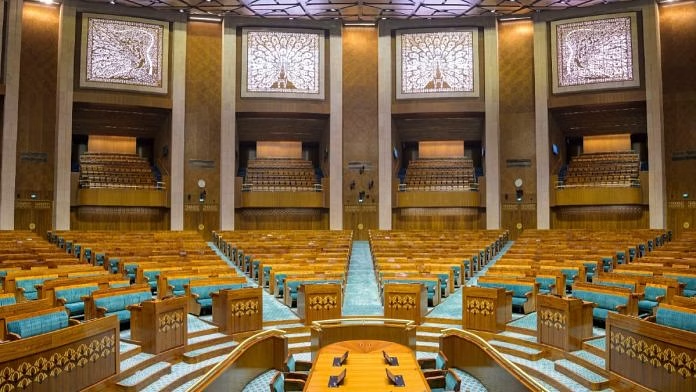
When we hear the word ‘parliament’, the first things that cross our minds are politics, democracy, or power. As a diverse nation with an inherited love for cricket, news, and politics, anything related to parliament strikes up either a minimal talk discussion or a heated debate, which might even cause tumult among your relatives! Politics is important in every individual’s life, whether you’re a middle-class person, a beggar, or even the richest person ever to exist. The parliament is responsible for all but is under none other than individuals such as you and me. Celebrated for the foundation of the Inter-Parliamentary Union in 1889, it focuses on promoting unity through democracy and strives to achieve the 16th SDG.

A bedrock for democracy, the Parliament keeps the country, which is a diverse one such as ours, alive and thriving despite various hurdles. But have you ever wondered what these elected people do in parliament? Who is an ideal parliamentarian, and why is it necessary for us to know about this day? Let’s delve into it. We recently had our 18th Lok Sabha elections. Where a win felt like a loss, a loss felt like a win, and the Election Commission is finally relieved to have zero allegations. This defines “to the people, for the people, and by the people”! Moments like these showcase why the world’s biggest democracy is different from others. However, there are many contemporary issues that we should not ignore while celebrating such wins. Issues like corruption, unemployment, climate change, and gender inequality. We are present in the 20th century, yet the majority of those elected are 3–4 generations before us. How can we expect such older generations to understand contemporary India? 

Similarly, the lack of women in our Parliament is astounding. While certainly there has been slow but steady growth in women MPs and MLAs since the 9th Lok Sabha and Rajya Sabha, as follows: Rajya Sabha: 1989-1991: 5.5%; 1992-1993: 4.7%; 1993-1994: 5.1%; 1994-1995: 5.4%; 1996-1997: 6.2%


The new Women's Reservation Bill will surely become a catalyst for increasing the percentage, but it'll certainly take some time. Similarly, it would be biased of me to say that there's absolutely no optimism for our country's democracy. Surely the Parliament proceedings can be tedious and lengthy, but hey! Good things take time. Because certainly, this is the same Parliament that we criticize for enacting landmarks such as the abrogation of Article 370, the Rights of Transgender Persons Bill, of 2014, the Right to Information Bill, of 2005, and the LPG reforms of 1991. Similarly, the Bharatiya Nyaya Sanhita, 2023; the Bharatiya Nagarik Suraksha Sanhita, 2023; the Bharatiya Sakshya Bill, replacing the Indian Penal Code, 1860; the Code of Criminal Procedure, 1973; and the Indian Evidence Act, 1872, were passed by both Houses of Parliament during the Winter Session. And surely, for such a huge diversity, the Parliament is the only source where one can elect their representatives to help voice out the opinions of their own community. 

Now the issue here can be the current delimitation process, which will be happening soon. For now, the seats for both the upper house and lower house are allotted according to population. For example, UP has the highest count for seat allocation since it's ranked no. 1 in population with a staggering amount of 40 seats. On the other hand, a state like Himachal Pradesh has only two seats. For many years now, the state has been promoting family planning due to the increasing population, which has been successfully implemented in highly educated states such as Kerala, Tamil Nadu, etc. However, their representation in Parliament is getting less and less, which lies in the common belief of North favoritism in the southern and western parts of India. Hence, it's also necessary for the state to act upon such a process. Certainly, it will be a tedious task, and the continuity may lead to regional imbalance. 

One might ask: Who might be the ideal parliamentarian? There is no simple answer to this question. Rather than asking who can be an ideal parliamentarian, we should focus on how we can help to constitute a better parliament where diversity and democracy can thrive at their best. It won't always be the case that we'd have good politicians. But what we certainly know is that while it's shocking for the politician of Hassan Constituency to still gain votes, we should still appreciate that there will always be tens and hundreds of other parliamentarians who will always be in favor of development, equality, and, most importantly, for India.

- Rajashree Bhide

Wednesday, May 1, 2024

प्रिय आमुचा एक महाराष्ट्र देश हा!


     महाराष्ट्र... महान राष्ट्र.... महाराष्ट्राच्या बाहेर राहणाऱ्या लोकांना असं वाटूच शकतं किंबहुना असे  प्रश्न माझ्या कानावर आले देखील कि, फक्त महाराष्ट्रच "महा" का? महाराष्ट्रच महान राष्ट्र का? आता आपण महाराष्ट्राची महानता किती आणि कशी सांगायची!! तो आम्हाला प्रिय का, ह्याची किती कारणं द्यायची....

    सह्याद्रीचे दरी-खोरे, सातपुडा, दक्खन चे पठार, संपन्न समुद्र किनारा, यात वसतो आपला हा समृद्ध महाराष्ट्र देश. महाराष्ट्र म्हणजे संतांची कर्मभूमी...पुण्यभूमी!!! “ज्ञानदेवे रचिला पाया,तुका झालासे कळस!”  हे पाहिलेली...अनुभवलेली पवित्र माती. ह्यां सर्व  संतांची निस्वार्थ आणि निस्सीम भक्ती, त्यांची शिकवण आपल्याला माणूस म्हणून जगण्याचा खरा अर्थ सांगते. ह्या महाराष्ट्राचा मातीने आपल्याला हि संत परंपरा दिली आणि  संतांनी आयुष्यभर आपल्याला भरभरुन दिलं...!!! म्हणून… प्रिय अमुचा एक महाराष्ट्र देश हा!

      ह्या मातीने जशी भक्ती रुजवली, तशीच शक्ती सुद्धा वाढवली! परकीयांचे आक्रमण सोसले आणि मग ह्याच मातीने भक्ती आणि शक्ती ची सांगड घालून शिवाजी महाराजांना घडवले. त्यांनीच महाराष्ट्रात स्वराज्य निर्माण केले, जनतेचे राजे होऊन गेले! शिवाजी महाराजांनी महाराष्ट्राला आई चं स्थान दिला आणि तिचा संरक्षणासाठी आयुष्यभर लढले. भक्ती आणि शक्ती दोघांची सांगड घालून पुढचा पिढीसाठी आदर्श ठेवला. महाराज फक्त इतिहासापुर्तेच नाही तर ते आपल्या संस्कृतीत रुजले....संस्कारात रुजले आणि ह्या मातीत आपल्या मतीत स्वाभिमान रुजवला!!! म्हणून... प्रिय आमुचा एक महाराष्ट्र देश हा!

         नंतरच्या काळात म्हणजेच १७व्या शतकात ब्रिटिशांनी आक्रमण केलं, तेव्हा महाराजांचाच आदर्श डोळ्यासमोर ठेऊन ह्या मातीने शक्तीच्या रुपात अनेक देशभक्त घडविले. वासुदेव बळवंत फडके, तात्या टोपे,लोकमान्य टिळक, स्वातंत्र्यवीर सावरकर, विनोबा भावे, ज्योतिबा फुले ह्यांनी व ह्यांचा सारख्या अनेक जणांनी भारताच्या स्वातंत्र्यात मोलाचा वाटा उचलला. भारत मातेच्या रक्षणासाठी सरसावलेली हि वीर माती....म्हणून... प्रिय आमुचा एक महाराष्ट्र देश हा!

         स्वातंत्र्याचा आधी सुद्धा आणि नंतर सुद्धा एक गोष्ट चिरंतर काळासाठी टिकणार आहे ती म्हणजे इथली परंपरा, इथली संस्कृती!! खरा तर कागदोपत्री महाराष्ट्राची स्थापना १ मे १९६० रोजी झली; पण त्या आधी सुद्धा महाराष्ट्र होता, तिथली संस्कृती, तिथली परंपरा, तिथला इतिहास, तिथले संस्कार, तिथल्या लोकांनीच जपली, जोपासली! पश्चीमात्यकरणालाबरोबर घेऊन, संस्कृतीला न विसरता, अगदी सुंदर पद्धतीने त्यांची सांगड घातली! पेहराव, पाककृती, साहित्य, संगीत, ह्या आणि अशा कोणत्याही क्षेत्रात आपला महाराष्ट्र मागे राहिला नाहीये, आजच्या काळाचा खांद्याला खांदा लाऊन तो प्रगतीच्या पथावर चालत आहे. आणि हीच परंपरा, संस्कृती त्यांचा लिखाणाचा, संगीताचा, माध्यमातून अनेक वरिष्ठ आणि महान लेखकांनी, कवींनी, गीतकारांनी, जगापर्यंत पोहोचवली, दिली! दादासाहेब फाळके,लता मंगेशकर, रघुनाथ माशेलकर, सचिन तेंडूलकर,सुनील गावस्कर असे असंख्य रत्न ह्या भूमीने भारतालाच काय तर संपूर्ण जगाला दिले. म्हणून...प्रिय आमुचा एक महाराष्ट्र देश हा!

       आत्ताचा घडिला महाराष्ट्र आर्थिक दृष्ट्या भारतात पहिला आहे आणि हाच महाराष्ट्र भारताची ‘financial capital’ सुद्धा आहे. एवढच नाही तर भारतातली पहिली रेल्वे हि महाराष्ट्रातच सुरु झाही, मुंबई ते ठाणे. ह्या घटनेचा सुद्धा आपल्या आर्थिक प्रगतीत मोलाचा वाटा आहे! औद्योगिकदृष्ट्या सुद्धा भारतासाठी महाराष्ट्र श्रेयस्कर ठरला आहे! म्हणून...प्रिय आमुचा एक महाराष्ट्र देश हा!

     ह्या महाराष्ट्रातच विद्येच माहेरघर आहे. म्हणून उच्च शिक्षणासाठी विद्यार्थी महाराष्ट्रला प्राधान्य देतात. फक्त शिक्षणच नाही तर इथे चांगल्या नोकरीसाठी, मुंबई मध्ये चित्रपट सृष्टीच्या आकर्षणामुळे, सोयीस्कर व्यवसायामुळे, व्यापारामुळे, इथल्या शांत राहिनिमानामुळे,  इथे स्थाईक व्हायला प्राधान्य देतात. आणि आपला महाराशत्र त्यांना मोठ्या मानणे स्वीकारतो!! म्हणून...प्रिय आमुचा एक महाराष्ट्र देश हा!

    एकीकडे एलोरा, अजंटा, वेरूळ, विविध गड, किल्ले, तर एकीकडे वेगवेगळ्या रंगांने बहरलेला कास पठार;  माथेरान, महाबळेश्वर, लोणावळा सारखे निसर्गरम्य ठिकाणं, समृद्ध समुद्र  किनारा, अशा असंख्य निसर्गचा छटा अनुभवणारा असा हा निसर्ग संपंन्न आपला महाराष्ट्र!! म्हणून... प्रिय आमुचा एक महाराष्ट्र देश हा!

        अशा ह्या महाराष्ट्राने आपल्याला सतत खुप प्रेम दिलं, खूप शिकवलं, घडवलं, एकत्र जोडून ठेवलं, आणि सह्याद्री सारखं अभेद्य बनवलं!! दोन्ही हातांनी मनापासून सगळं दिलं. खरोखरच आपलं राष्ट्र महानच आहे! असा हा आपला प्रदेश...प्राचीन काळातील दंडकारण्या पासून ते आत्ताच्या महाराष्ट्रा पर्यंतचा प्रवासात पाहिलेला आणि घडविलेला इतिहास, जो आपल्या  वर्तमानातील साथ आहे आणि भविष्यातील आस आहे. भविष्यात सुद्धा ह्या मातीतून अनेक शास्त्रज्ञ, सैनिक, अधिकारी, खेळाडू, गायक, बाहेर पडून देशासाठी आपलं योगदान देतीलच....देशकार्यासाठी सदैव तत्पर असतीलच .....ती तर ह्या मातीची परंपराच!!!कारण....दिल्लीचेहि  तख्त राखितो महाराष्ट्र माझा!! म्हणून... प्रिय आमुचा एक महाराष्ट्र देश हा!

- Shatakshi Bhondwe 


And Then There Was Her: The Queen of Crime

  Around a century and three decades ago, a little girl took up a voracious hobby of reading. Although her mother homeschooled her, the latt...