Showing posts with label parliament. Show all posts

Thursday, October 31, 2024

राष्ट्रीय एकता दिवस


एक काठी असेल तर ती सहज मोडता येते; परंतु काठ्यांचा गठ्ठा तितक्‍या सहजतेने मोडता येत नाही. लहानपणापासूनच अशा छोट्या गोष्टींतून आपल्यात एकीचे बळ खोलवर रुजवले जाते. सरदार वल्लभभाई पटेल यांनी याच एकीच्या बळाचा वापर करून भारतातील विविध संस्थानांना एकत्र केले आणि जणू एका शिल्पकाराप्रमाणे भारताला नव्या रूपात घडवले. सरदार वल्लभभाई पटेल (भारताचे लोहपुरुष) यांनी ब्रिटिश राजवटीपासून स्वातंत्र्य मिळाल्यानंतर भारतातील संस्थानांचे एकत्रीकरण करण्यात महत्त्वपूर्ण भूमिका बजावली. आपल्या कुशाग्र बुद्धिमत्तेने त्यांनी विभाजन संपवून भारताला एकसंध राष्ट्र बनवण्यास मदत केली. भारत हा विविधतेने नटलेला देश आहे. भारताचा समृद्ध सांस्कृतिक वारसा त्याच्या विविधतेतून निर्माण झाला आहे. राष्ट्रीय एकात्मतेच्या दिशेने या विविधतेचे परिवर्तन विषमतेत नव्हे, तर एकतेत करण्याचा ध्यास वल्लभभाईंनी उरी बाळगला, आणि समर्थपणे या विविधतेतून राष्ट्रात एकता निर्माण केली. आपल्यामधील भाषिक, पारंपरिक, सामाजिक, आणि सांस्कृतिक विविधतेत बंधुत्वाची भावना टिकवण्यासाठी आणि वृद्धिंगत करण्यासाठी राष्ट्रीय एकात्मता दिन साजरा केला जातो.


आपल्या भारतीय संविधानाची उद्देशिका देखील याच मूल्यांची पायाभरणी करते आणि लोकांमध्ये निर्धार, समानता, आणि विश्वास या तत्त्वांचा पाया घालते. भारताचे नागरिक म्हणून या मूल्यांचा आदर करणे आपले कर्तव्य आहे. आपल्या मनात स्वतःच्या संस्कृतीचा गर्व असलाच पाहिजे; परंतु त्याचबरोबर दुसऱ्याच्या संस्कृतीचा आदर आणि सन्मान बाळगण्याची भावना हवी. मात्र, राष्ट्रीय एकता दिवस साजरा करत असताना आपल्याला प्रश्न विचारण्याची गरज आहे – आजच्या काळात एकता या संकल्पनेचा अर्थ काहीसा बदलला आहे का? एकता साजरी करत असताना, ती खऱ्या अर्थाने अंमलात येत आहे का, की केवळ प्रतीके उरली आहेत? विविधतेतून एकता साधण्याचा उद्देश जोपासण्यासाठी आज आपल्या समाजात समजूतदारपणा, सहिष्णुता, आणि सर्वांचा समान आदर वाढवण्याची गरज आहे का? या प्रश्नांची उत्तरे शोधणे हेच खरे तर राष्ट्रीय एकात्मतेची खरी परीक्षा आहे.


-आर्यन पाध्ये

Sunday, August 18, 2024

"नीट" चा निकाल नीटनेटका ?


तारीख ४ जून,२०२४ - भारताचं पुढील ५ वर्षाच्या भविष्याचे चित्र उभं राहील, जेव्हा लोकसभेच्या निवडणूकीचा निकाल लागला. पण त्याच दिवशी लाखो विद्यार्थ्यांचं भविष्य अंधारात हरवलं, जेव्हा त्यांचा एक अनपेक्षित NEET UG परिक्षेचा निकाल लागला. हा. निकाल अनपेक्षितच होता. म्हणजे ज्या परीक्षेला कधीतरी पैकीच्या पैकी मार्क मिळवणारी मुलं असायची, तिथे ह्या वर्षी चक्क एक-दोन नव्हे, तर 67 मुलांना पैकीच्या पैकीच गुण मिळाले. एकाच परिक्षा केंद्रांत 6 विद्यार्थ्यांना पैकीच्या पैकी गुण, काही मुल उशिरा पोहोचली म्हणून त्यांना ग्रेस मार्क्स देणं, बिहार पेपर चोरीची घटना घडणं, सगळंच अगदी अनपेक्षित, आश्चर्यकारक !!

त्यानंतर काही विद्यार्थी सुप्रीम कोर्टात गेले, २५ हुन अधिक लोकांना पकडण्यात आलं, आपल्या राष्ट्रपतींनी त्यांच्या भाषणात ह्या घोटाळ्याचा उल्लेख केला, पण काही फरक पडलेला दिसत नाही.  दोन आठवड्यांपूर्वी प्राध्यापक पदासाठी घेण्या घेण्यात येणारी NET परीक्षा पेपर झाल्या नंतर त्याच्यात सुद्धा अनियमितता आढळून आली म्हणून रद्द करण्यात आली. त्यानंतर घेण्यात येणारी NEET PG परिक्षा सुद्धा रद्द केली, ती पण परिक्षेला २४ तास पण राहिले नसताना. ह्या सगळ्या परीक्षा होतात  National Testing Agency (NTA) या सरकारी संस्थेच्या देखरेखी खाली. हा प्रकार काही पहिल्यांदा घडत नाहीये. मागच्या ७ वर्षात पेपरफुटीची ७० प्रकरणं झाली आहेत, ज्या मध्ये १.७  कोटीहून जास्ती युवकांचं भविष्य असंच अंधारात हरवलं आहे. 

ह्या सगळ्याचा त्रास होतोय तो त्या मेहनती आणि योग्य विद्यार्थ्यांना, जे आपले कित्येक महिने, वर्ष घालवतात, त्यांची स्वप्ने पूर्ण करायला,  पण पदरी येते, ती निराशाच. चूक त्यांची नाहिये, मेहनत घेण्यात ते कुठेही कमी पडले नाहिये, चूक आहे ती ह्या व्यवस्थेची, जी पैसे खाऊन बसली आहे. ह्या सगळ्या व्यवस्थेचा जर सगळ्यात जास्ती कोणाला फायदा होतो, तर ते परिक्षांसाठीचं कोचिंग क्लासेसचे व्यावसायिक,  जे ह्याच मुलांच्या पालकांकडून अमाप पैसे घेतात. हे अक्षरशः एक मार्केट झालं आहे जिथे यशाचं आमिष दाखवून मुलांना आणि त्यांच्या पालकांना आकर्षित केलं जातं, स्वतःच्या 'कंपनी' कडे.  हे पालक आणि मुलं या क्लासेस कडे आकर्षित होतात, ते वाढलेल्या स्पर्धेमुळे. मुलांना शाळेत असल्या पासूनच अमूक कोचिंग तमुक क्लास लावले जातात, बऱ्याच वेळेला त्या मुलांची इच्छा नसताना सुद्धा त्या मुलांना बऱ्याच वेळेला माहीत सुद्धा नसतं, की त्यांना काय करायचय, काय बनायचय, पण ह्या वाढलेल्या स्पर्धमुळे त्यांना बळजबरीने ह्या परीक्षांच्या फेऱ्यात ढकललं जातं. आणि मग ह्याचा फायदा उचलतात हे कोचिंग क्लासेस, जे ह्या परिक्षांचा, आणि पर्यायाने शिक्षणाचा बाजार मांडतात. दरवर्षी लाखो विद्यार्थी ह्या परिक्षा देतात,पण सीट, काही हजारच असतात. मग प्रवेश मिळण्याच्या भीती पोटी हे पालक आणि मुलं फसतात ह्या कोचिंग क्लासेस च्या 'गॅरंटिड सक्सेस' च्या आमिषा मध्ये. कोटा सारखी शहरं फॅक्टरी बनले आहेत, जिथे विद्यार्थ्यांमधील गुण न हेरता, त्यांचं एखाद्या असेंब्ली लाइन वर मास प्रोडक्शन चालू आहे,  त्यांना डॉक्टर आणि इंजिनियर बनवण्यासाठी.

मग ह्या स्पर्धेच्या जगात जर एखाधा परिक्षेत अपयश आलं; तर त्या अपयशाच्या भीतीने आत्महत्या करणाऱ्यांचं प्रमाण वाढत आहे. आता तर ह्या वाढलेल्या स्पर्धेचा ताण अगदी शाळकरी मुलांवर दिसायला लागलाय. म्हणूनच की काय आपल्या सरकारने शालेय विद्यार्थ्यांचं ओझ कमी करण्यासाठी सगळे विषय एकाच पुस्तकात समाविष्ट केले आहेत, ज्याने करून त्यांची दप्तरं हलकी होतील. पण त्याने त्यांच्या मनावरचा ताण आणि भीती कमी होणार आहे का? ते आपल्याला मोजता यायचं नाही, कारण, जसं थ्री इंडियटस् मधला रँचो म्हणतो तसं, दुदैवाने मेंदुवरचं प्रेशर मोजण्याचं यंत्र आपल्याला बनवता आलेलं नाही. बालपण, हे निरागसतेचं प्रतिक असतं, आणि बालपणाचा सर्वात महत्वाचा घटक म्हणजे शाळा. पण आता मात्र याच निरागस मुलांची शाळा ही शिक्षणातल्या गैरप्रकारांची बाराखडी गिरवते आहे. मुलांच विकास करण्याऐवजी ह्या शाळा, ज्यांना राजकारण्यांनी, व्यवसायिकांनी फक्त त्यांच्या उत्पन्नाचं स्त्रोत बनवून ठेवलय, शाळेच नाव मोठं करण्यावर लक्ष देतात, आणि त्यासाठी ते चुकीच्या पद्धतींचा वापर करत आहेत. पैसे घेऊन मुलांना पास करणं, पबलिसिठी साठी बोर्डाच्या परिक्ष मध्ये गैरप्रकार असतील, आणि अजून किती तरी, ज्याची आपल्याला कल्पना सुध्दा नसेल. दुसऱ्या बाजूला, काही शाळा मुलांकडे बिलकुल लक्ष देत नाहीत त्यांना अक्षरशः वाऱ्यावर सोडून देतात.  मुलांना काय करावं, कसं करावं काहीच समजत नाही. आणि ह्या अश्या दोन्ही वातावरणांमध्ये वाढलेली मुलं बऱ्याच वेळा पुढे जाऊन ह्या घोटाळ्यांमध्ये, गैरप्रकारां मध्ये सामील होतात किंवा त्याला बळी पडतात.

विद्यार्थ्यांसाठी प्रतिकूल अश्या ह्या वातावरणामध्ये जेव्हा हे असे घोटाळे घडतील, तेव्हा ह्या सगळ्यांतून वाट काढणाऱ्या त्या मेहनती मुलांनी काय करायचं? आणि NEET सारख्या परिक्षा, ज्या ह्या देशाचे डॉक्टर घडवतात, त्यात जर असे घोटाळे झाले, तर हे देशाची आरोग्यव्यवस्था पोकळ नाही का करणार? येणाऱ्या काळात अश्या परिक्षांमध्ये पेपरफुटी, घोटाळे ह्यांचं प्रमाण कमी करण्यासाठी कडक कायदे व त्यांची काटेकोर अंमलबजावणी केली पाहिजे. असं नाही झालं, तर ह्या येणाऱ्या अपयशामुळे वाढणाऱ्या नैराश्याला आणि आत्महत्यांना जबाबदार कोण? ही व्यव्यवस्था, हे कोचिंग क्लासेस की ही स्पर्धा?

-Ashmit Gupte 

Wednesday, August 7, 2024

Union Budget 2024: Navigating India's Path to Development Through Fiscal Discipline and Strategic Investments

The annual budget, which has been referred to as the financial plan of a country in many instances, is actually about social welfare, economic policy, and political desires. The budget is more arithmetical concerning revenues and expenditure; also, it is a story that shows the government’s priorities. As a result, this has become an economic powerhouse on a global scale, with Union Budget 2024 planning for “Viksit Bharat” touching on these areas: agricultural reforms, manufacturing impetus, job creation initiatives, youth skills development programs, support for MSMEs as well as urban infrastructure development.

Its fiscal discipline makes the budget stand out most prominently. Though the current fiscal deficit stands at 4.9%, there are plans to bring it down further to 4.5% next year. In order to ensure balanced fiscal policy and target resources effectively into the preferred sectors while still maintaining fiscal stability. There have been no details regarding how the budgetary approach has been planned, but it can be categorized into four main sets: Garib’, meaning poor people; 'Mahilayen', meaning women; ‘Yuva’, meaning young people; and ‘Annadata’, meaning farmers.

A massive allocation of Rs 1.48 lakh crore towards development is being contemplated. A number of key initiatives include pro-growth fiscal policy, stability in the process of securing India's energy supply as well as its sustainability, which includes a roadmap for energy transition, augmenting electricity storage capacities, the development of nuclear and thermal power technologies, and the introduction of carbon market regulations for heavy industries. Spending on social sector programs such as MGNRGEA, Samagra Shiksha, Ayushman Bharat, old age pension, widow pension, Swasthya Suraksha—all have gone down over the past few years. This is why India’s inequality is notably worse: India is always caught up in abysmal health; poor teaching and learning; living in bad housing without plumbing; malnutrition; high child mortality rates. The middle class, however, remains at the same point of hope and desire for another year. One-third of our population lives less than 100 rupees every day. They are paying for this through regular purchases, thereby subsidizing government through “Aam aadmi,” who pays GST and heavy taxation while only favored ones under the scheme get subsidized. Although it has been widely lauded by many for its simplicity, including a uniform long-term capital gains tax rate of 12.5% on almost all asset classes except unlisted debentures after indexation removal, it has been criticized in some quarters that now seems like an inheritance tax on property transactions.

The portion of the budget that goes to agriculture has remained unchanged at about 3.1 percent of the total budget. From September, the general prices rise by no more than 6%, but food prices in India by June 2024 increase up to 9.4%. According to the World Hunger Index (WHI), which ranks among 125 countries, India still occupies the 111th position. Thus, there is an overall increase in prices of many goods due to rising food inflation. The percentages for flagship programs like Pradhan Mantri Fasal Bima Yojana and Pradhan Mantri Kisan Samman Nidhi have shrunk as a fraction of the total budget through FY25. At the same time, other measures to boost agricultural productivity and efficiency in supply chains are being contemplated. Allocation as targeted under Rs 1.52 lakh crore towards agriculture will be given, while doing away with this program will result in the demarcation of these resources for unproductive use only. To increase yields and fortify resilience to climate vagaries To attain the above objectives entails promotion of new crop varieties, natural farming, and digitization tools for farming, among others. These have played significant roles in safeguarding stable prices and economic welfare.

Indian job creation remains a top priority as the all-India unemployment rate stands at 9.2% in June 2024. The government aims to simplify incentive schemes and strengthen labor-intensive sectors through strategic investments that will enhance employment generation in these areas. A skilled workforce is instrumental in India's leap to a developed economy, and it has provided 2 lakh crore rupees for generating employment to boost employment and skilling through three new schemes, namely, incentives for first-time job seekers, job creation in manufacturing, and employer support. This large investment of Rs. 3 lakh crore being made by the government in women and girls testifies to its concerns toward social welfare. These have been campaigns for increasing female labor force participation, empowering women with relevant skills and opportunities, and thus helping drive economic growth. Infrastructure is a prime driver of growth, and major investments are marked for creating more transportation networks, mainly rural connectivity, enhancement of water resources management, and disaster mitigation.

It's pretty evident that India really stands at the crossroads.It is the leveraging of this demographic dividend that shall surely set India firmly on the global scene. Union Budget 2024 would present a roadmap for India's march to a developed nation. The fiscal and enterprise commitment goes very well with the vision of Amrit Kaal.

-Harshata Gotephode

Sunday, June 30, 2024

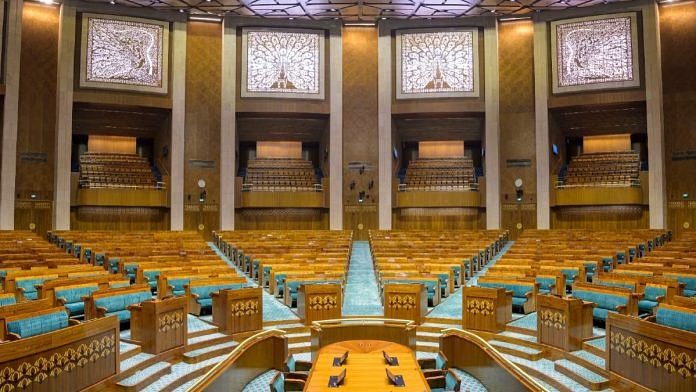
International Day of Parliamentarism


When we hear the word ‘parliament’, the first things that cross our minds are politics, democracy, or power. As a diverse nation with an inherited love for cricket, news, and politics, anything related to parliament strikes up either a minimal talk discussion or a heated debate, which might even cause tumult among your relatives! Politics is important in every individual’s life, whether you’re a middle-class person, a beggar, or even the richest person ever to exist. The parliament is responsible for all but is under none other than individuals such as you and me. Celebrated for the foundation of the Inter-Parliamentary Union in 1889, it focuses on promoting unity through democracy and strives to achieve the 16th SDG.

A bedrock for democracy, the Parliament keeps the country, which is a diverse one such as ours, alive and thriving despite various hurdles. But have you ever wondered what these elected people do in parliament? Who is an ideal parliamentarian, and why is it necessary for us to know about this day? Let’s delve into it. We recently had our 18th Lok Sabha elections. Where a win felt like a loss, a loss felt like a win, and the Election Commission is finally relieved to have zero allegations. This defines “to the people, for the people, and by the people”! Moments like these showcase why the world’s biggest democracy is different from others. However, there are many contemporary issues that we should not ignore while celebrating such wins. Issues like corruption, unemployment, climate change, and gender inequality. We are present in the 20th century, yet the majority of those elected are 3–4 generations before us. How can we expect such older generations to understand contemporary India? 

Similarly, the lack of women in our Parliament is astounding. While certainly there has been slow but steady growth in women MPs and MLAs since the 9th Lok Sabha and Rajya Sabha, as follows: Rajya Sabha: 1989-1991: 5.5%; 1992-1993: 4.7%; 1993-1994: 5.1%; 1994-1995: 5.4%; 1996-1997: 6.2%


The new Women's Reservation Bill will surely become a catalyst for increasing the percentage, but it'll certainly take some time. Similarly, it would be biased of me to say that there's absolutely no optimism for our country's democracy. Surely the Parliament proceedings can be tedious and lengthy, but hey! Good things take time. Because certainly, this is the same Parliament that we criticize for enacting landmarks such as the abrogation of Article 370, the Rights of Transgender Persons Bill, of 2014, the Right to Information Bill, of 2005, and the LPG reforms of 1991. Similarly, the Bharatiya Nyaya Sanhita, 2023; the Bharatiya Nagarik Suraksha Sanhita, 2023; the Bharatiya Sakshya Bill, replacing the Indian Penal Code, 1860; the Code of Criminal Procedure, 1973; and the Indian Evidence Act, 1872, were passed by both Houses of Parliament during the Winter Session. And surely, for such a huge diversity, the Parliament is the only source where one can elect their representatives to help voice out the opinions of their own community. 

Now the issue here can be the current delimitation process, which will be happening soon. For now, the seats for both the upper house and lower house are allotted according to population. For example, UP has the highest count for seat allocation since it's ranked no. 1 in population with a staggering amount of 40 seats. On the other hand, a state like Himachal Pradesh has only two seats. For many years now, the state has been promoting family planning due to the increasing population, which has been successfully implemented in highly educated states such as Kerala, Tamil Nadu, etc. However, their representation in Parliament is getting less and less, which lies in the common belief of North favoritism in the southern and western parts of India. Hence, it's also necessary for the state to act upon such a process. Certainly, it will be a tedious task, and the continuity may lead to regional imbalance. 

One might ask: Who might be the ideal parliamentarian? There is no simple answer to this question. Rather than asking who can be an ideal parliamentarian, we should focus on how we can help to constitute a better parliament where diversity and democracy can thrive at their best. It won't always be the case that we'd have good politicians. But what we certainly know is that while it's shocking for the politician of Hassan Constituency to still gain votes, we should still appreciate that there will always be tens and hundreds of other parliamentarians who will always be in favor of development, equality, and, most importantly, for India.

- Rajashree Bhide

Two Drops, A Million Lives

 Silently watching his friends play, a little boy was sitting by the window. Looking at his frail and paralysed legs, he realises that he wi...